Old vs New Tax Regime in India: Key Differences
November 14th, 2026 News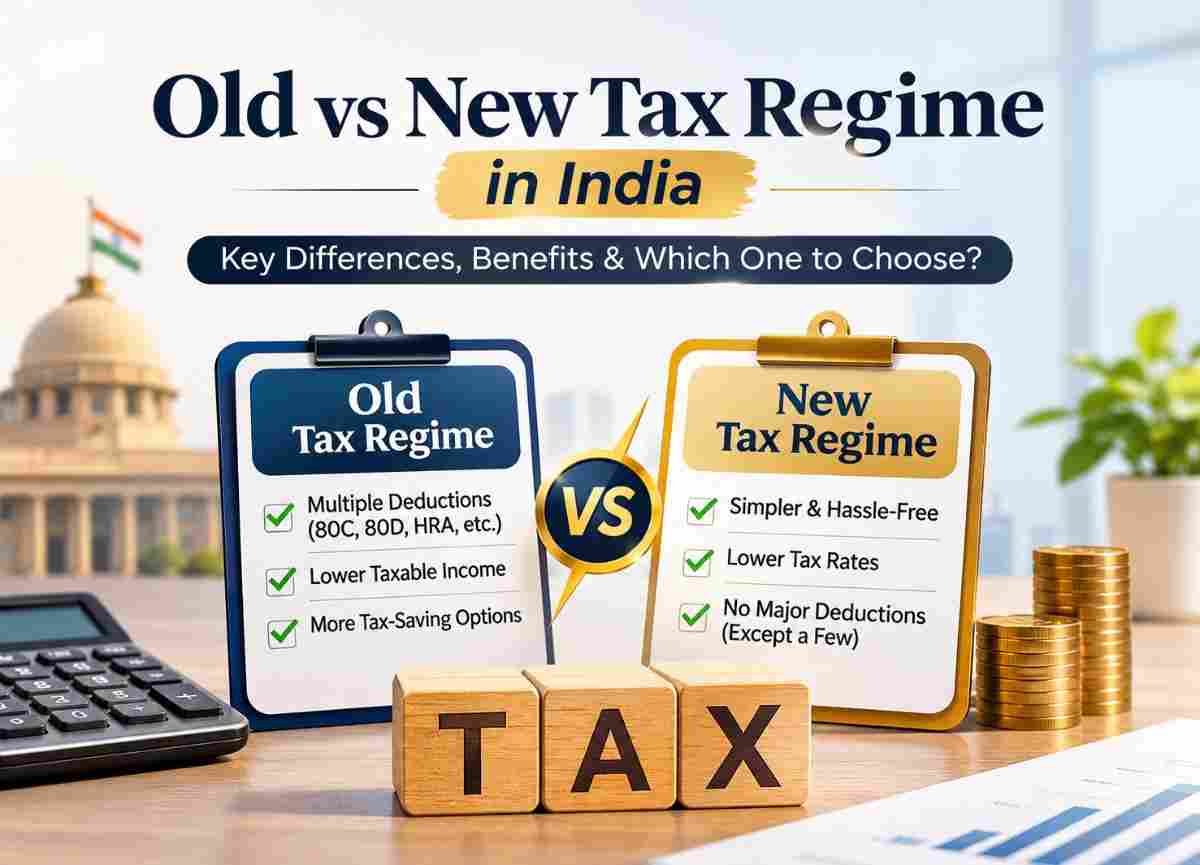
Introduction
Choosing the right income tax regime is an important part of financial planning. Every year, salaried employees, business owners and individual taxpayers look for ways to reduce their tax liability while managing their savings and investments effectively. However, one common question remains: Old vs New Tax Regime – which one is better?
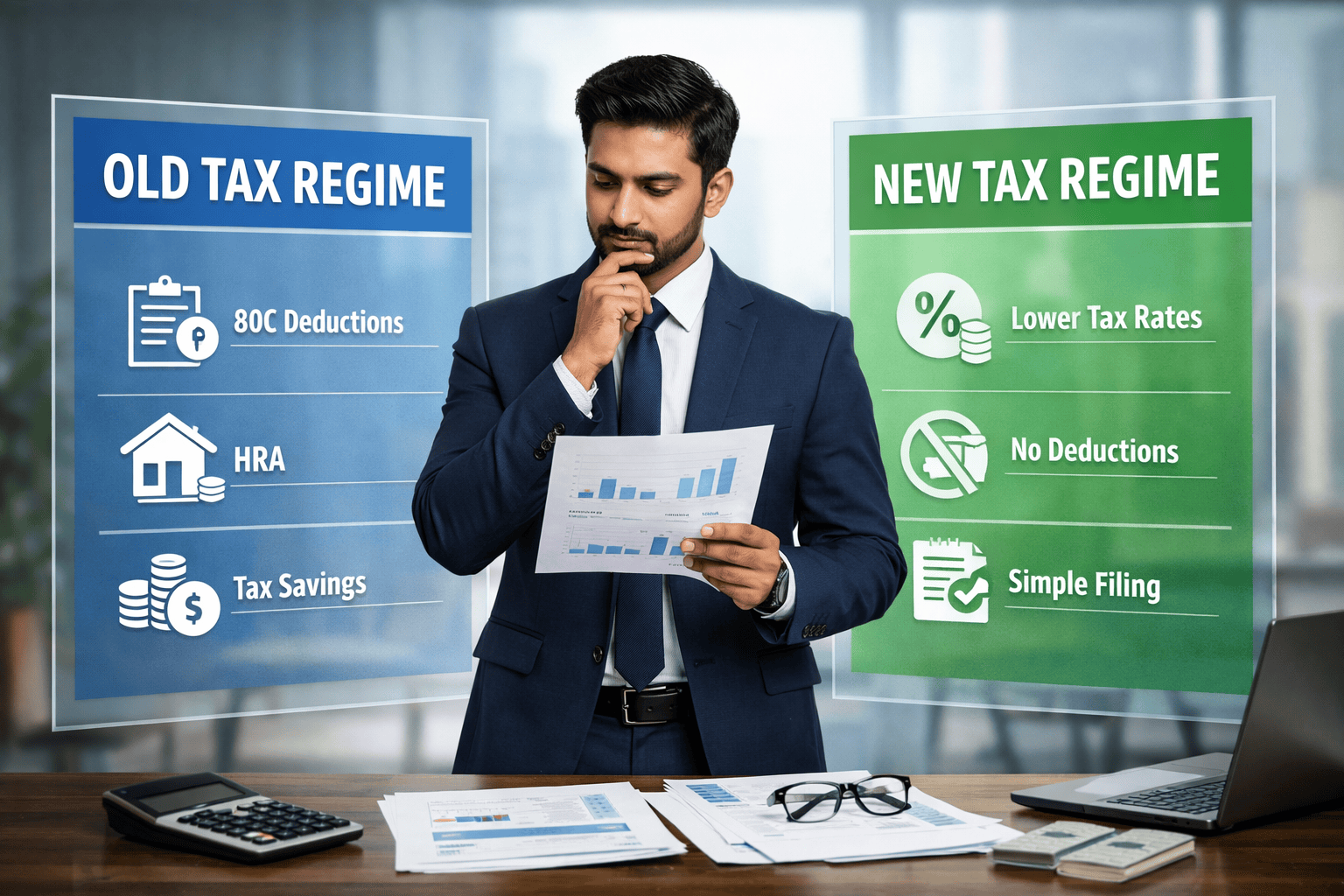
The Indian income tax system offers two options: the Old Tax Regime and the New Tax Regime. Both have different tax slabs, deductions and exemptions. While the old regime allows taxpayers to claim several deductions, the new regime offers comparatively lower tax rates and a simpler tax structure.
Understanding the difference between the old and new tax regimes can help you make better financial decisions. In this guide, we will explain their tax slabs, benefits, deductions and key differences to help you choose the right option for Tax Year 2026–27.
What Is the Old Tax Regime?
The Old Tax Regime is the traditional income tax system in India. It allows taxpayers to reduce their taxable income by claiming various deductions and exemptions under applicable provisions of the Income Tax Act.
This regime can be beneficial for individuals who regularly invest in tax-saving instruments, pay health insurance premiums, receive House Rent Allowance (HRA) or repay a home loan.
Key Benefits of the Old Tax Regime
Some important benefits include:
-
Section 80C: Eligible investments and payments such as PPF, EPF, life insurance premiums, ELSS mutual funds and tuition fees qualify for deductions up to ₹1.5 lakh in aggregate.
-
Section 80D: Tax deductions on eligible health insurance premiums.
-
HRA Exemption: Salaried employees can claim eligible House Rent Allowance exemptions.
-
NPS Deduction: Eligible additional contributions under Section 80CCD(1B) can qualify for a deduction of up to ₹50,000.
-
Home Loan Interest: Eligible interest payments on self-occupied property can qualify for a deduction of up to ₹2 lakh under Section 24(b), subject to conditions.
The old regime is generally worth evaluating if you have substantial eligible investments, insurance premiums, rent payments and other deductions.
What Is the New Tax Regime?
The New Tax Regime offers lower tax rates across different income brackets and a simpler tax structure. It is the default tax regime for eligible individual taxpayers.
Unlike the old regime, the new regime generally does not allow popular deductions such as Section 80C, Section 80D and HRA exemptions. However, certain specified deductions and exemptions continue to be available.
Key Benefits of the New Tax Regime
-
Lower Tax Rates: More income slabs with comparatively lower tax rates.
-
Higher Standard Deduction: Salaried individuals and pensioners can claim a standard deduction of up to ₹75,000.
-
Simplified Tax Planning: Fewer deductions and exemptions make tax calculations easier.
-
Tax Rebate: Eligible resident individuals can benefit from the Section 87A rebate, subject to the applicable income limits and conditions.
-
Less Investment Pressure: You do not need to make specific tax-saving investments simply to claim deductions.
The new regime can be suitable for individuals who prefer flexibility and do not have significant tax-saving deductions.
Old vs New Tax Regime: Tax Slabs for 2026–27
One of the biggest differences between the two regimes is their income tax slab structure.
The following table compares the normal slab rates for individual taxpayers below 60 years of age.
Old Tax Regime Slabs
|
Annual Taxable Income |
Tax Rate |
|---|---|
|
Up to ₹2.5 lakh |
Nil |
|
₹2.5 lakh – ₹5 lakh |
5% |
|
₹5 lakh – ₹10 lakh |
20% |
|
Above ₹10 lakh |
30% |
New Tax Regime Slabs
|
Annual Taxable Income |
Tax Rate |
|---|---|
|
Up to ₹4 lakh |
Nil |
|
₹4 lakh – ₹8 lakh |
5% |
|
₹8 lakh – ₹12 lakh |
10% |
|
₹12 lakh – ₹16 lakh |
15% |
|
₹16 lakh – ₹20 lakh |
20% |
|
₹20 lakh – ₹24 lakh |
25% |
|
Above ₹24 lakh |
30% |
Note: These are normal slab rates before applicable rebate, surcharge and 4% health and education cess. Special tax rates may apply to certain types of income. Senior citizens have different basic exemption limits under the old regime.
5 Major Differences Between Old and New Tax Regime
Understanding the following differences can make your decision easier.
1. Tax Rates
The new regime offers lower rates across several income brackets, whereas the old regime has fewer tax slabs and higher rates at certain income levels.
If you do not have many eligible deductions, the new regime may offer better tax savings.
2. Tax Deductions and Exemptions
The old regime allows several deductions, including Section 80C, Section 80D and eligible HRA exemptions.
The new regime restricts most of these deductions but allows specified benefits such as the standard deduction and eligible employer NPS contributions.
3. Investment Requirements
Under the old regime, taxpayers may need to plan eligible investments and payments to maximise available deductions.
The new regime does not require you to invest in specific tax-saving products merely to claim most traditional deductions.
4. Standard Deduction
For Tax Year 2026–27, salaried individuals and pensioners can claim a standard deduction of up to ₹50,000 under the old regime and ₹75,000 under the new regime.
This difference can affect the final taxable income and overall tax liability.
5. Financial Planning Flexibility
The old regime can encourage eligible tax-saving investments, while the new regime provides greater flexibility in how you allocate your savings.
Your decision should depend on your financial goals, investment habits and eligible deductions rather than tax rates alone.
Old vs New Tax Regime: Which Is Better for You?
There is no single answer that works for every taxpayer. The right choice depends on your income, financial commitments and available deductions.
Consider the following situations:
Choose the Old Tax Regime if:
-
You have significant eligible investments under Section 80C.
-
You pay substantial rent and qualify for HRA exemption.
-
You have eligible health insurance premiums.
-
You are repaying a home loan and qualify for relevant deductions.
-
Your total eligible deductions and exemptions make the old regime more tax-efficient.
Choose the New Tax Regime if:
-
You have limited tax-saving investments.
-
You do not claim HRA exemptions.
-
You prefer a simpler tax calculation.
-
You want flexibility in allocating your savings.
-
The lower tax rates result in a lower overall tax liability.
Before making a decision, calculate your tax liability under both regimes using the official income tax calculator.
How Mutual Fund Investments Fit into Tax Planning
Tax planning is not just about reducing your annual tax liability. It is also about creating a disciplined investment strategy for your future financial goals.
For example, ELSS (Equity Linked Savings Scheme) mutual funds are eligible for deductions under Section 80C, subject to applicable limits and conditions, under the old tax regime. However, the Section 80C deduction is generally unavailable under the new regime.
Apart from ELSS, investors can explore other mutual fund categories according to their financial goals, investment horizon and risk appetite. Remember that mutual fund investments are subject to market risks, and tax benefits should not be the only reason for investing.
To understand mutual fund taxation in greater detail, read our guide: Mutual Fund Taxation in India – Complete Guide.
You can also explore:
These guides can help you understand different investment options and make informed financial decisions.
Frequently Asked Questions (FAQs)
1. Which is better, the old or new tax regime in 2026–27?
The new regime may be beneficial for individuals with fewer deductions, while the old regime may suit taxpayers with substantial eligible deductions and exemptions. Compare both before choosing.
2. Is the new tax regime mandatory in India?
No. The new tax regime is the default option, but eligible taxpayers can choose the old tax regime by following the applicable rules and procedures.
3. Can I claim Section 80C deductions under the new tax regime?
Generally, no. Deductions under Section 80C are not available under the new regime. They may be claimed under the old regime if the investments and payments meet the applicable conditions.
4. Can salaried employees change their tax regime every year?
Eligible salaried individuals without business or professional income can generally choose between the two regimes every year while filing their income tax return, subject to applicable rules.
5. Do ELSS mutual funds offer tax benefits under both regimes?
No. Eligible ELSS investments qualify for Section 80C deductions under the old regime, subject to the overall limit. The deduction is generally not available under the new regime.
Conclusion
The choice between the Old vs New Tax Regime depends on your income, investments, deductions and financial goals. While the new regime offers lower tax rates and simpler calculations, the old regime can provide tax benefits to individuals who have substantial eligible investments and exemptions.
Instead of selecting a regime based only on its tax rates, compare your actual tax liability under both options. At the same time, focus on building a long-term investment strategy that supports your financial goals.
If you are looking for investment guidance, WealthifyMe can help you understand mutual fund options, SIP investments and goal-based investment planning.
Connect with WealthifyMe, the best mutual fund distributor in Faridabad, to explore investment solutions aligned with your financial goals and risk appetite.
Start planning your finances today. Make informed investment decisions and take a step towards a financially secure future.
Disclaimer: This blog is intended for general educational and informational purposes only. Tax provisions are subject to change. Please consult a qualified tax professional for advice based on your individual circumstances. Mutual fund investments are subject to market risks. Read all scheme-related documents carefully before investing.