What Is Mid Cap Fund? A Complete Guide for Beginners
August 12th, 2026 News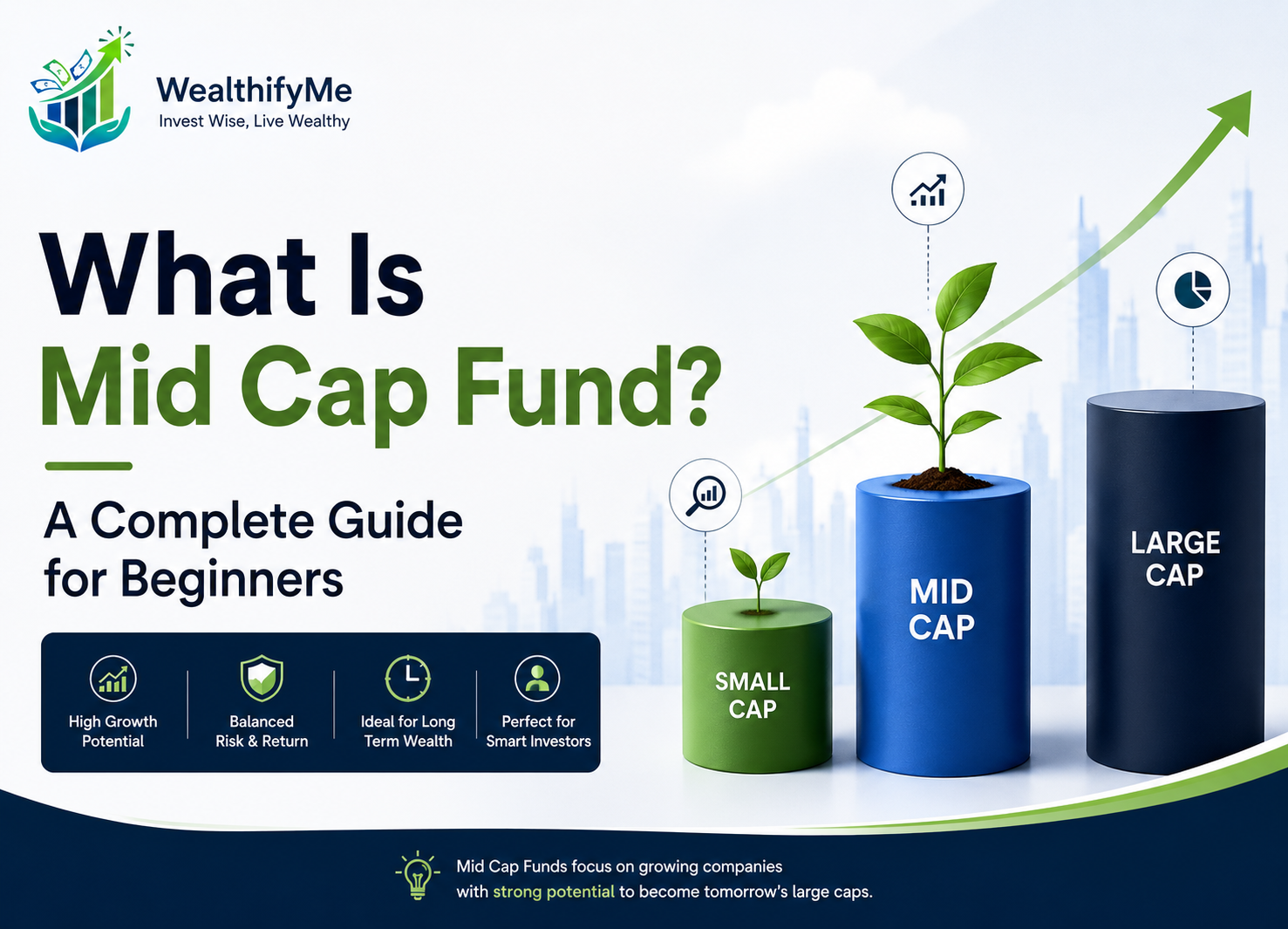
What Is Mid Cap Fund? A Simple Guide for Beginners
If you are looking for an investment option that offers higher growth potential than large-cap funds while being relatively more established than small-cap companies, mid cap funds can be worth understanding.
But what exactly is a mid cap fund? How does it work, what are its benefits and risks, and who should consider investing in it?
In this guide, we explain what is mid cap fund in simple language and help you understand whether it can fit into your investment portfolio.
What Is Mid Cap Fund?
A mid cap fund is a type of equity mutual fund that primarily invests in mid-sized companies. According to SEBI's categorisation, mid-cap companies are ranked from 101st to 250th in terms of full market capitalisation.
These companies are generally more established than small-cap companies but still have significant potential to grow compared with many large-cap companies.
A mid cap mutual fund invests across a portfolio of such companies, allowing investors to participate in their potential growth without having to select individual stocks themselves.
How Does a Mid Cap Mutual Fund Work?
When you invest in a mid cap fund, your money is pooled with money from other investors. The fund manager then invests this pool across different mid-cap companies based on the fund's investment strategy.
You can invest in a mid cap fund through:
-
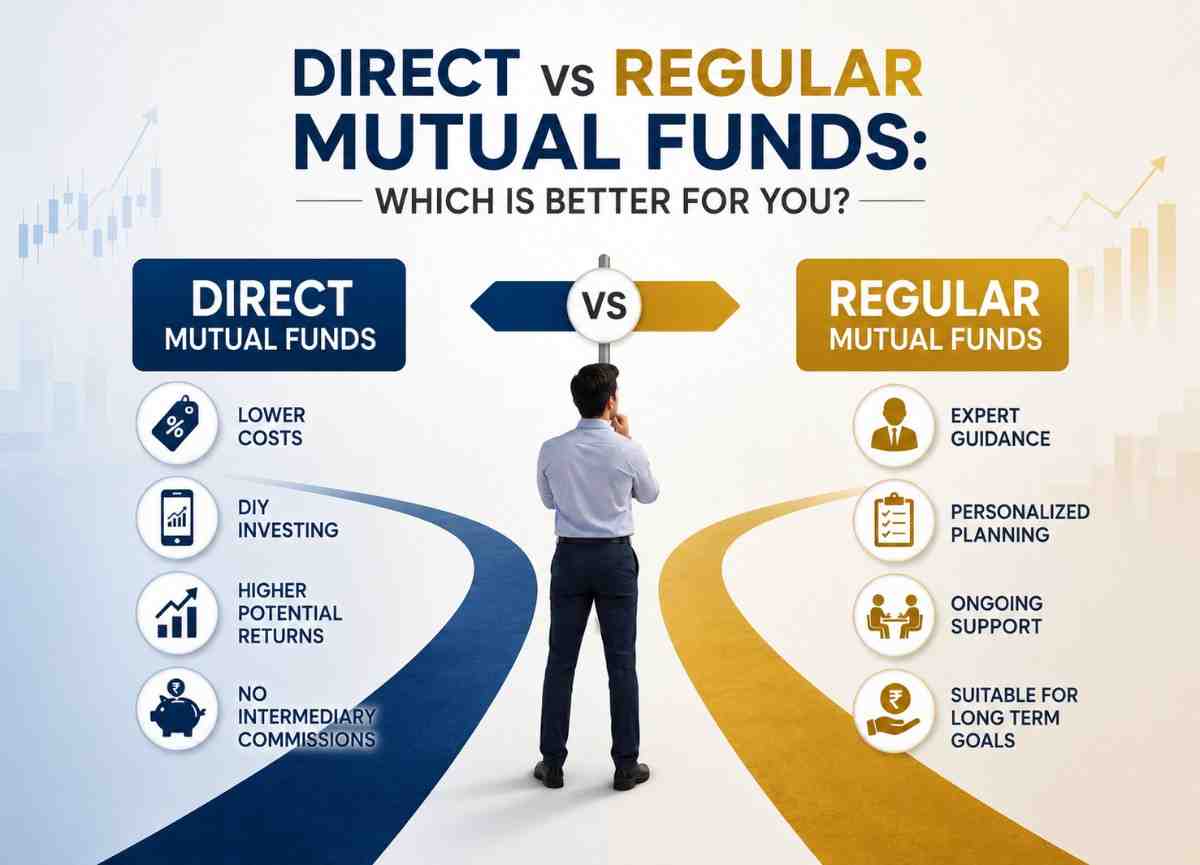
Direct or regular mutual fund plans, depending on your investment route
The value of your investment changes according to the performance of the securities held by the fund.
Why Invest in Mid Cap Funds?
Mid cap funds can be attractive to investors who are looking for long-term capital growth and are comfortable with equity-market volatility.
1. Higher Growth Potential
Mid-sized companies may have greater room to expand their business compared with already-established large companies. If these businesses grow successfully, their stock prices may also benefit over the long term.
2. Diversification
Instead of investing in one or two individual mid-cap stocks, a mid cap mutual fund generally invests across multiple companies and sectors. This can help diversify company-specific risk.
3. Suitable for Long-Term Investors
Equity investments can experience significant short-term fluctuations. Investors with a longer investment horizon may be better positioned to handle these ups and downs.
4. SIP Investment Option
Investors can use a mid cap fund SIP to invest a fixed amount regularly. SIPs can encourage disciplined investing and help investors avoid making investment decisions based entirely on short-term market movements.
Mid Cap Funds vs Large Cap and Small Cap Funds
Understanding the difference between fund categories can make it easier to choose an investment strategy.
|
Fund Category |
Primary Focus |
General Risk Level |
Growth Potential |
|---|---|---|---|
|
Large Cap Fund |
Large established companies |
Moderate |
Moderate |
|
Mid Cap Fund |
Mid-sized companies |
Moderately High |
High |
|
Small Cap Fund |
Smaller companies |
High |
Potentially Very High |
These are broad characteristics, not guaranteed returns. The actual risk and performance of a mutual fund depend on its portfolio, market conditions and investment strategy.
Risks of Investing in Mid Cap Funds
While mid cap funds can provide attractive growth opportunities, they are not risk-free.
Market Volatility
Mid-cap stocks can experience considerable price fluctuations, especially during periods of market uncertainty.
Higher Risk Than Large Cap Funds
Mid-sized businesses may have less financial strength, scale or stability than some large established companies. Therefore, mid cap funds generally carry more risk than large-cap funds.
No Guaranteed Returns
Mutual fund returns are linked to market performance. Past performance does not guarantee future returns.
Because of these factors, investors should consider their risk profile, financial goals and investment horizon before investing.
Higher Risk Than Large Cap Funds
Mid-sized businesses may have less financial strength, scale or stability than some large established companies. Therefore, mid cap funds generally carry more risk than large-cap funds.
No Guaranteed Returns
Mutual fund returns are linked to market performance. Past performance does not guarantee future returns.
Because of these factors, investors should consider their risk profile, financial goals and investment horizon before investing.
Who Should Consider Mid Cap Funds?
A mid cap fund may be suitable for investors who:
-
Have a long-term investment horizon
-
Are comfortable with moderate-to-high equity market volatility
-
Want exposure to growing mid-sized companies
-
Are investing for long-term wealth creation
-
Prefer diversified mutual fund investing instead of selecting individual stocks
However, the right investment depends on your individual financial situation and goals.
How to Invest in Mid Cap Funds?
Before investing, consider the following:
Define Your Financial Goal
Identify why you are investing—such as wealth creation, retirement planning, children's education or another long-term goal.
Understand Your Risk Profile
Do not select a fund only because it has delivered high returns in the past. Understand how much market volatility you can comfortably handle.
Choose SIP or Lump Sum
A SIP in mid cap mutual funds can be useful for disciplined periodic investing, while lump-sum investment may be considered when it aligns with your financial plan and available capital.
Review the Fund Carefully
Look at factors such as the fund's investment strategy, portfolio, expense ratio, fund manager, performance across market cycles and risk characteristics.
Frequently Asked Questions .....
1. What is a mid cap fund in mutual funds?
A mid cap fund is an equity mutual fund that primarily invests in companies ranked from 101st to 250th by full market capitalisation, as per SEBI's mutual fund categorisation.
2. Are mid cap funds risky?
Yes. Mid cap funds are equity investments and can experience significant market volatility. They generally carry higher risk than large-cap funds but may offer higher growth potential over the long term.
3. Is SIP good for mid cap funds?
A SIP can help investors invest regularly and maintain investment discipline. However, whether a mid cap SIP is suitable depends on your goals, investment horizon and risk tolerance.
4. How long should I invest in a mid cap fund?
Mid cap funds are generally more suitable for long-term investors who can remain invested through market fluctuations. The appropriate investment period depends on your financial goals and risk profile.
Conclusion
So, what is mid cap fund? Simply put, it is an equity mutual fund that invests primarily in India's mid-sized companies. These funds can provide investors with exposure to businesses that may have significant long-term growth opportunities, but they also come with higher market volatility.
Before investing in a mid cap mutual fund, it is important to understand your financial goals, risk appetite and investment horizon rather than choosing a fund solely based on past returns.
At WealthifyMe, we help investors understand mutual funds, SIPs and goal-based investment strategies in a simple and practical way. If you are looking for guidance on mutual fund investment, SIP planning or wealth creation, connect with WealthifyMe to understand an investment approach aligned with your financial goals.
Start investing with knowledge. Build wealth with a plan.
Disclaimer
The information provided in this blog is for educational and informational purposes only and should not be considered investment advice, a recommendation, or a guarantee of returns. Mutual fund investments are subject to market risks, and past performance does not guarantee future results. Investors should carefully read all scheme-related documents and consider their financial goals, risk tolerance, investment horizon, and personal circumstances before investing. WealthifyMe does not guarantee any specific returns from mutual fund investments. For personalised investment guidance, investors should consult a qualified financial professional.