Expense Ratio in Mutual Funds Explained:
July 16th, 2026 News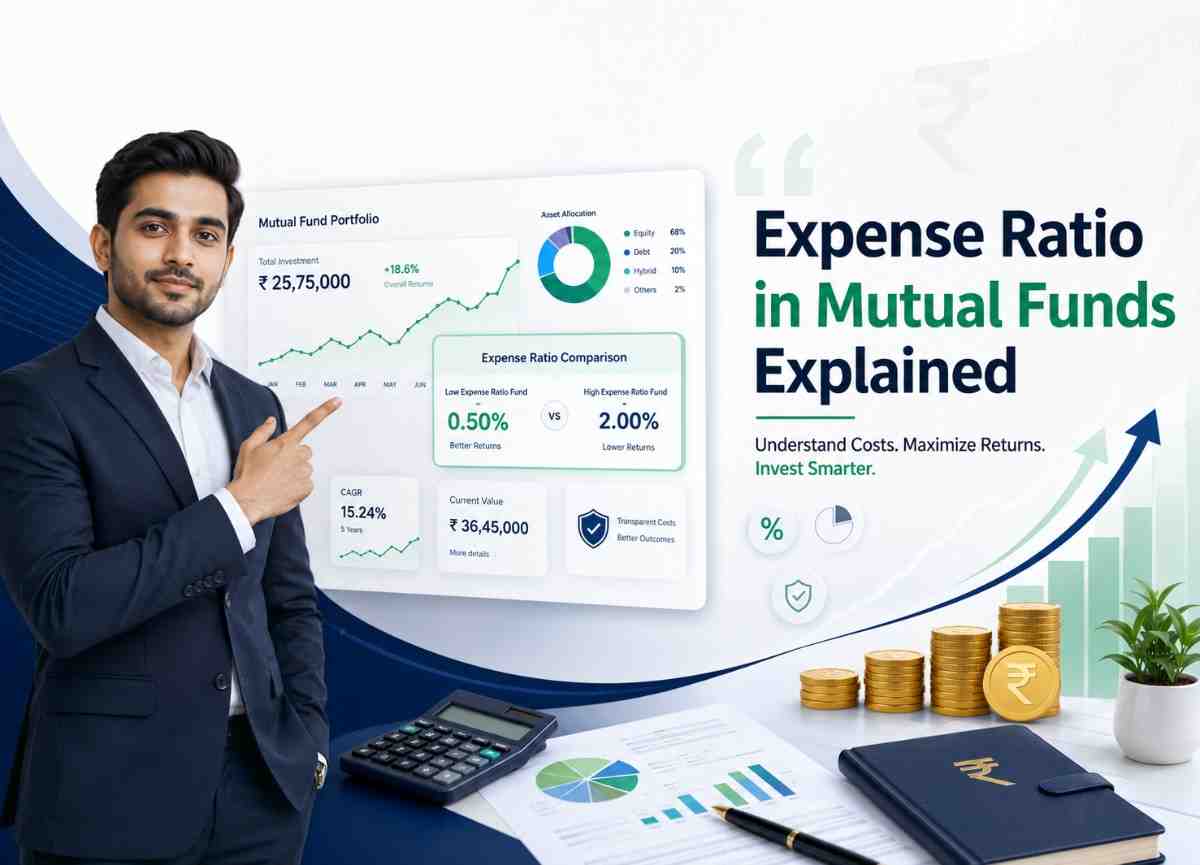
Expense Ratio in Mutual Funds Explained
If you're planning to invest in mutual funds, you've probably heard the term expense ratio. While it may seem like a small percentage, it can significantly affect your investment returns over time.
Many investors focus only on returns but ignore the cost of investing. Understanding the expense ratio in mutual funds helps you make smarter investment decisions and maximize long-term wealth.
In this guide, we'll explain what an expense ratio is, how it works, why it matters, and how to choose the right mutual fun
What Is the Expense Ratio in Mutual Funds?
The expense ratio is the annual fee charged by an Asset Management Company (AMC) to manage your mutual fund investment.
It covers expenses such as:
-
Fund management fees
-
Administrative costs
-
Marketing expenses
-
Registrar fees
-
Operational costs
The expense ratio is expressed as a percentage of your total investment.
Example:
Suppose you invest ₹1,00,000 in a mutual fund with an expense ratio of 1%.
Annual expenses charged:
₹1,00,000 × 1% = ₹1,000
These charges are automatically deducted from the fund's Net Asset Value (NAV), so you don't have to pay separately.
How Does the Expense Ratio Affect Your Returns?
Even a small difference in the expense ratio can have a significant impact over the long term.
Example
Investor A
- Investment: ₹10,00,000
- Return: 12%
- Expense Ratio: 0.50%
Investor B
- Investment: ₹10,00,000
- Return: 12%
- Expense Ratio: 2%
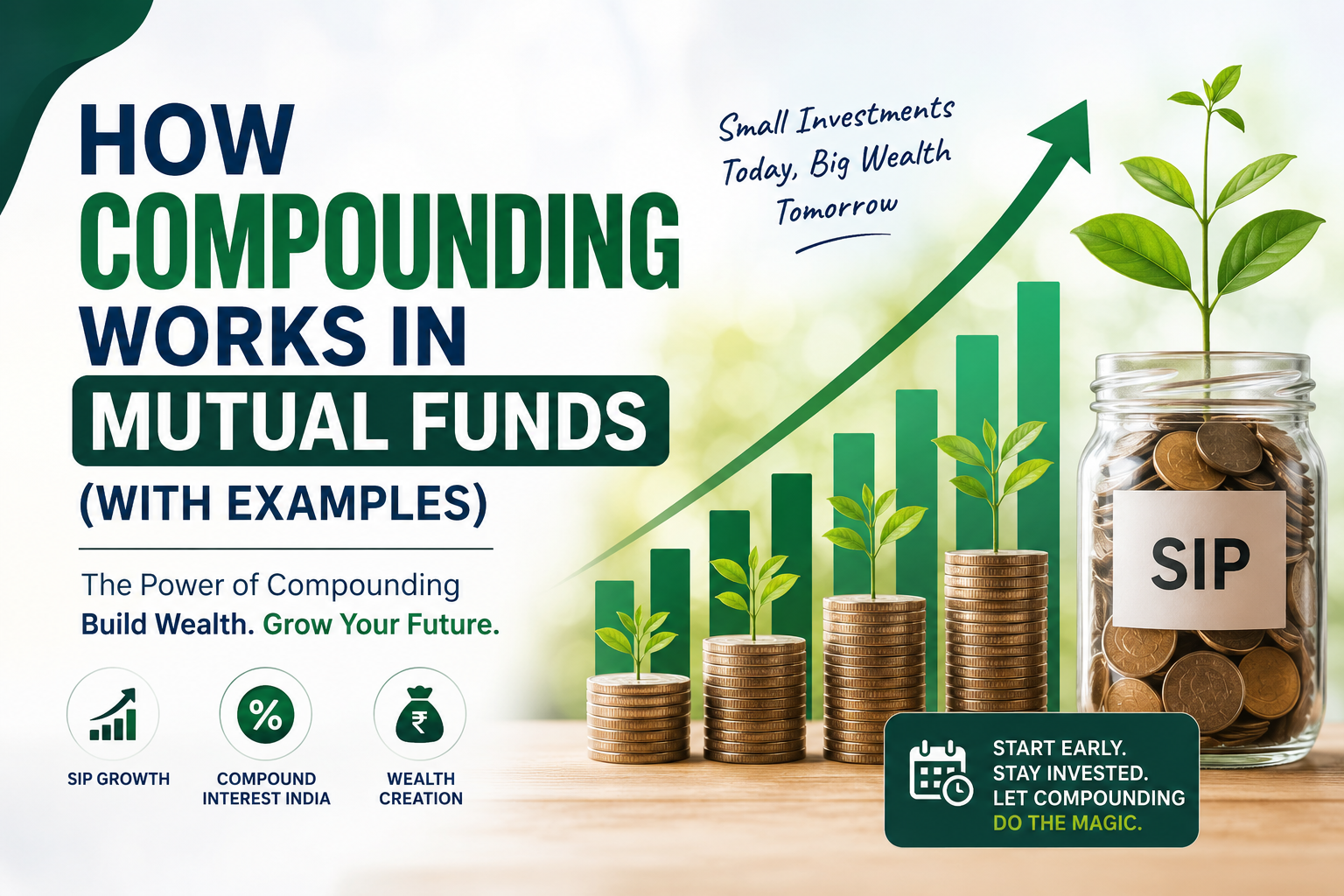
After 20 years, Investor A is likely to accumulate substantially more wealth because lower costs allow more money to remain invested and compound.
Key takeaway: Lower costs often lead to higher long-term returns, assuming similar fund performance.
Why Is the Expense Ratio Important?
The expense ratio directly reduces your investment returns.
A lower expense ratio means:
- Higher net returns
- Better long-term compounding
- Lower investment costs
- Improved wealth creation
This is especially important for long-term investors who stay invested for 10–20 years or more.
Types of Expense Ratios
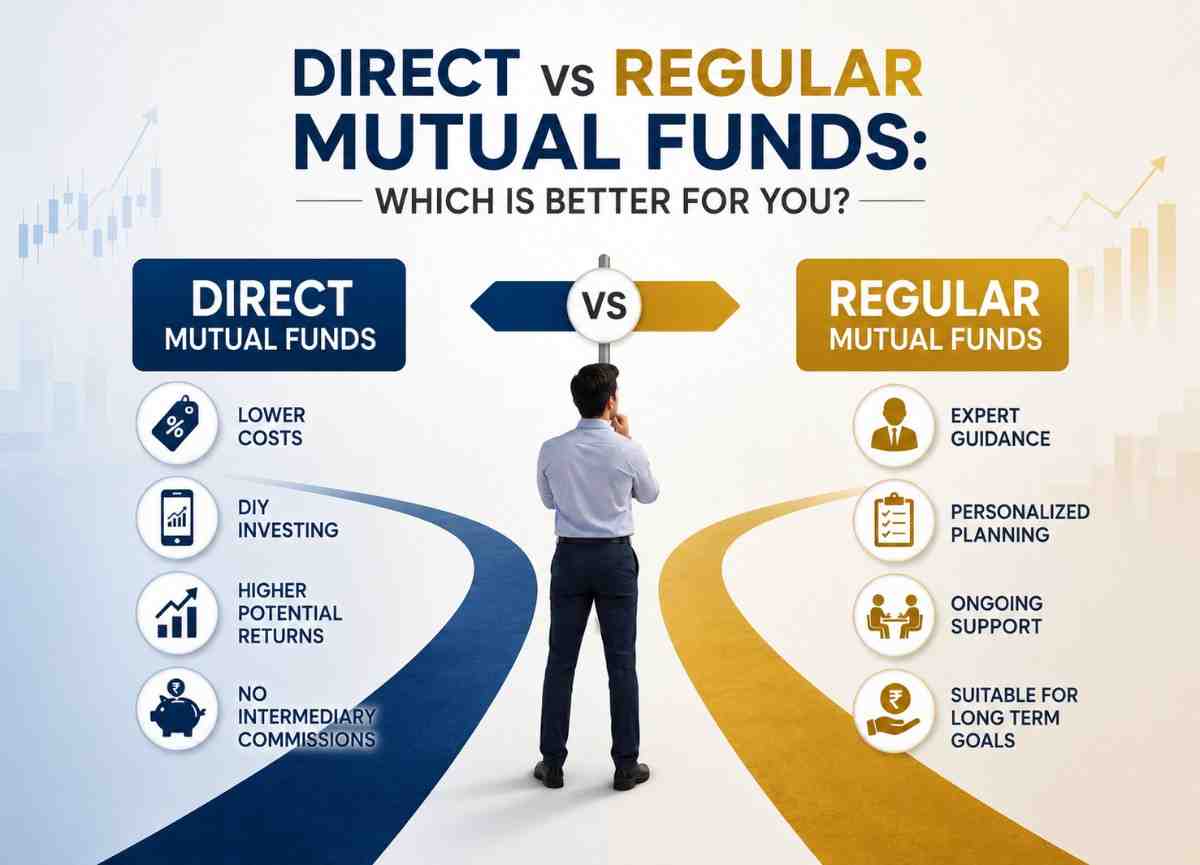
Direct Mutual Funds
Direct plans have a lower expense ratio because there are no distributor commissions involved.
Suitable for:
-
Experienced investors
-
Self-directed investors
-
DIY portfolio management
Regular Mutual Funds
Regular plans include distributor commissions and advisory services.
Suitable for:
-
First-time investors
-
Investors seeking professional guidance
-
People who prefer ongoing support
Although the expense ratio is slightly higher, expert advice can help many investors make better financial decisions.
What Is a Good Expense Ratio?
While there's no fixed benchmark, these ranges are generally considered reasonable:
|
Fund Type |
Good Expense Ratio |
|---|---|
|
Index Funds |
0.10% – 0.50% |
|
Debt Funds |
0.20% – 1.00% |
|
Equity Funds |
0.50% – 2.00% |
Always compare expense ratios within the same category rather than across different fund types.
Does a Higher Expense Ratio Mean Better Returns?
No.
A higher expense ratio does not guarantee higher returns.
Some actively managed funds justify higher costs by consistently outperforming their benchmark, while others may underperform despite charging more.
When selecting a mutual fund, consider:
-
Historical performance
-
Fund manager experience
-
Investment strategy
-
Risk level
-
Portfolio quality
-
Expense ratio
Evaluate all these factors together instead of relying on cost alone.
How to Check the Expense Ratio of a Mutual Fund
You can find the expense ratio on:
-
AMC's official website
-
Mutual fund factsheet
-
SEBI disclosures
-
AMFI website
-
Investment platforms
Always review the latest expense ratio before investing.
Tips to Reduce Investment Costs
Here are some practical ways to keep costs under control:
-
Compare similar mutual funds before investing.
-
Review the expense ratio periodically.
-
Avoid switching funds too frequently.
-
Focus on long-term investing.
-
Consider direct plans if you're comfortable managing investments independently.
Should Beginners Worry About Expense Ratio?
Yes—but not exclusively.
Beginners should focus on building a diversified portfolio and choosing quality mutual funds. The expense ratio is one important factor, but it should be evaluated alongside:
-
Investment objectives
-
Risk tolerance
-
Fund performance
-
Asset allocation
-
Professional guidance
A balanced approach leads to better investment decisions.
Frequently Asked Questions (FAQs)
1. What is the expense ratio in mutual funds?
The expense ratio is the annual fee charged by the fund house to manage and operate a mutual fund. It is deducted from the fund's assets and reflected in the NAV.
2. Is a lower expense ratio always better?
Not necessarily. While lower costs are generally beneficial, a fund with a slightly higher expense ratio may deliver better long-term returns if it is consistently well-managed.
3. Is the expense ratio deducted separately?
No. The expense ratio is automatically adjusted in the fund's NAV. Investors do not receive a separate bill.
4. What is the difference between Direct and Regular mutual funds?
Direct plans have lower expense ratios because they do not include distributor commissions. Regular plans include advisory and distribution costs.
5. Can the expense ratio change over time?
Yes. Fund houses may revise the expense ratio within SEBI's prescribed limits, so it's a good idea to review it periodically.
Conclusion
Understanding the expense ratio in mutual funds is essential for making informed investment decisions. While it may seem like a small percentage, it can significantly influence your long-term returns through the power of compounding. Instead of focusing only on past performance, compare expense ratios, evaluate the fund's quality, and choose investments that align with your financial goals.
If you're looking for expert guidance on selecting the right mutual funds, building a diversified portfolio, or creating a personalized investment strategy, WealthifyMe is here to help. As an AMFI-registered mutual fund distributor based in Faridabad, we provide goal-based investment planning, SIP advisory, retirement planning, tax-saving solutions, and ongoing portfolio support to help you grow your wealth with confidence.
Ready to start your investment journey? Contact WealthifyMe today and let our experienced advisors help you make smarter financial decisions for a secure future.