How Much Should You Invest Monthly
May 14th, 2026 News
How Much Should You Invest Monthly? (Smart Planning Guide)
Managing money smartly is not about earning crores. It is about understanding how much you should save and invest every month for your future.
Many people in India ask questions like:
- “How much SIP should I start?”
- “Is ₹5000 monthly enough?”
- “How much should I invest according to my salary?”
- “Can small monthly investments create wealth?”
The truth is — there is no single fixed number. Your monthly investment amount depends on your income, lifestyle, goals, and responsibilities.
In this guide, we will understand how to decide the right monthly investment amount and how smart financial planning can help you build long-term wealth.
Why Monthly Investing is Important
Most people save whatever money is left at the end of the month.
Smart investors do the opposite.
They invest first and spend later.
Monthly investing helps you:
- Build financial discipline
- Create long-term wealth
- Beat inflation
- Achieve future goals
- Reduce financial stress
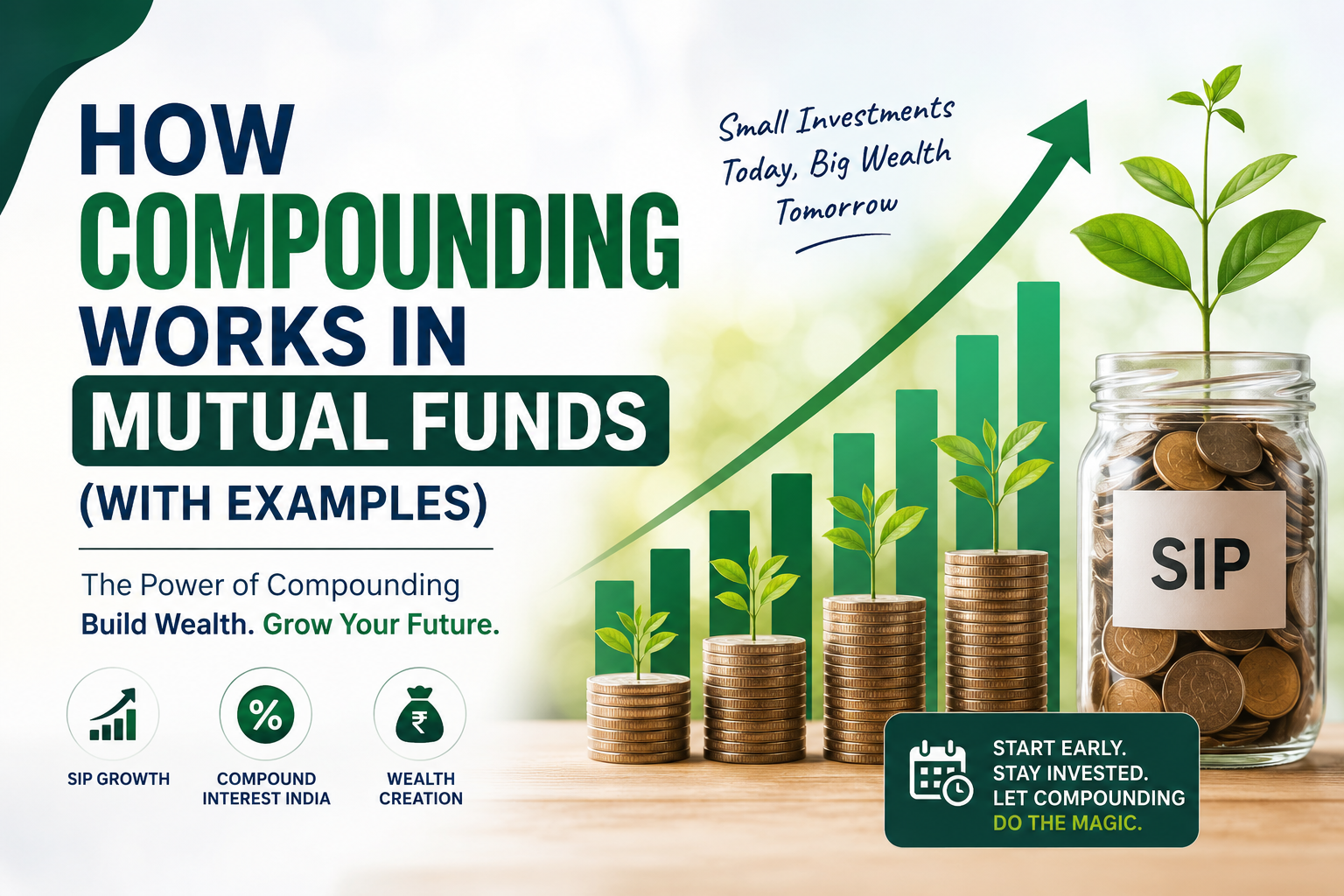
Even small investments done consistently for years can create a huge difference because of compounding.
For example:
If you invest ₹5000 monthly for 20 years at 12% annual return, your investment can grow significantly over time.
This is why starting early matters more than investing huge amounts later.
The Ideal Rule: Invest At Least 20% of Your Income
A simple financial planning rule says:
- 50% income → Needs
- 30% income → Wants
- 20% income → Savings & Investments
This is called the 50-30-20 rule.
Suppose your monthly salary is ₹50,000.
Then ideally:
- ₹25,000 for essentials
- ₹15,000 for lifestyle & personal expenses
- ₹10,000 for savings and investments
This percentage can change depending on your goals and responsibilities, but investing 15–30% of your income is generally considered healthy.
How Much Should You Invest Based on Salary?
If Your Salary is ₹20,000–₹30,000
You can start with:
- ₹1000–₹3000 SIP monthly
- Emergency fund building
- Basic health insurance
Focus on consistency instead of large amounts.
If Your Salary is ₹40,000–₹60,000
You can invest:
- ₹5000–₹12,000 monthly
- Mix of SIPs + savings
- Goal-based investing
At this stage, planning becomes very important.
If Your Salary is ₹1 Lakh or More
You should focus on:
- Wealth creation
- Tax planning
- Diversification
- Long-term assets
- Retirement planning
Investment amount can range from 20–40% depending on financial goals.
Factors That Decide Your Monthly Investment Amount
1. Your Financial Goals
Ask yourself:
- Buying a house?
- Retirement planning?
- Child education?
- Car purchase?
- International travel?
- Financial freedom?
Bigger goals require bigger investments.
2. Your Age
Younger investors have a huge advantage — time.
A 22-year-old investing ₹5000 monthly may create more wealth than a 35-year-old investing ₹15,000 monthly because compounding gets more time.
The earlier you start, the less pressure you feel later.
3. Your Expenses
Before investing heavily:
- Clear unnecessary debt
- Control impulsive spending
- Create an emergency fund
Good financial planning always starts with budgeting.
4. Your Risk Capacity
Some people are comfortable with market fluctuations.
Some prefer safer options.
Your monthly investment strategy should match your risk profile.
Examples:
- Conservative → Debt funds, FDs
- Moderate → Hybrid funds
- Aggressive → Equity mutual funds
How SIP Helps in Monthly Investing
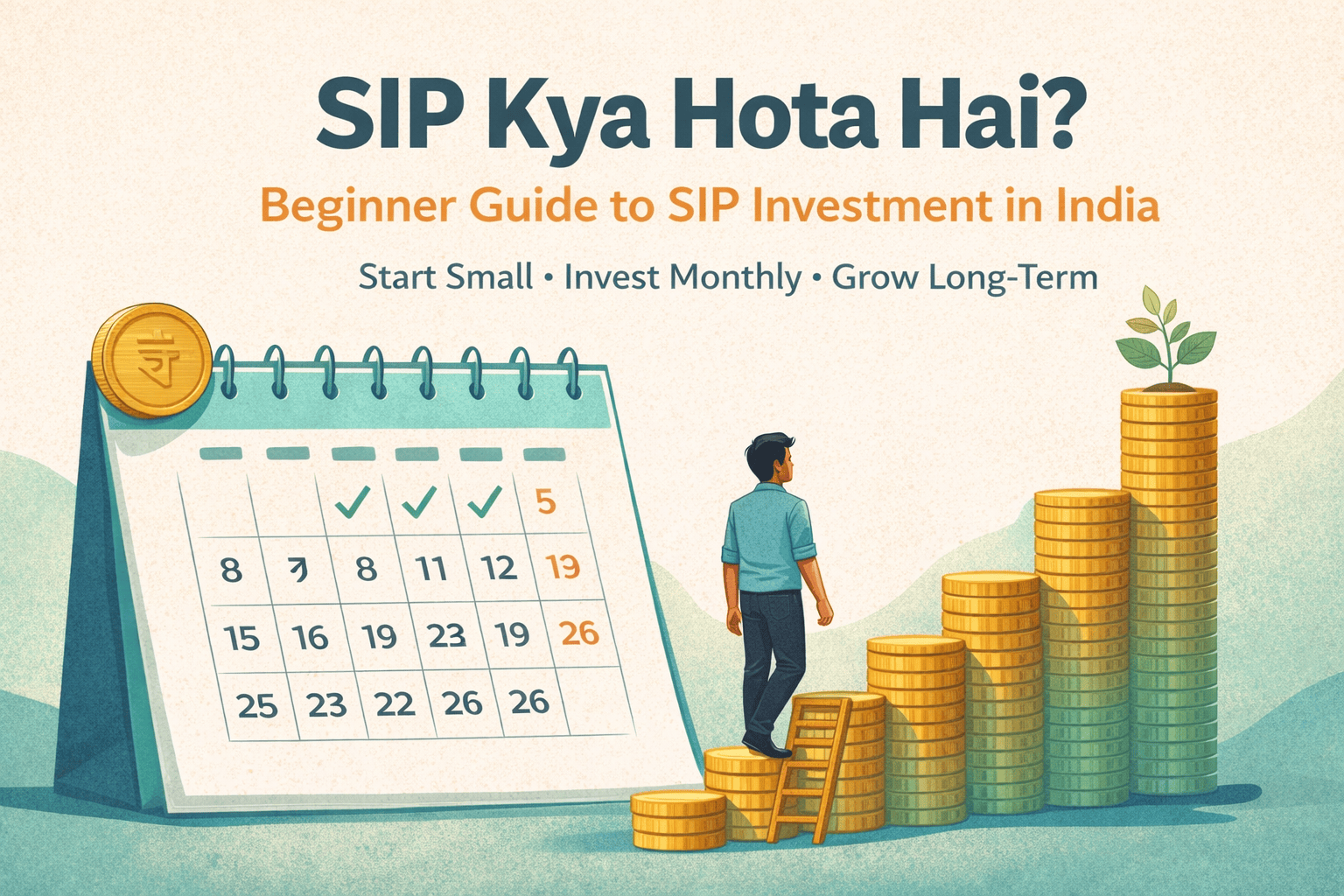
Systematic Investment Plan or SIP is one of the easiest ways to invest monthly.
Instead of investing a large amount at once, SIP allows you to invest small fixed amounts regularly.
Benefits of SIP:
- Affordable starting point
- Disciplined investing
- Rupee cost averaging
- Power of compounding
- Suitable for beginners
Even ₹500 monthly SIP can help you start your investment journey.
Common Mistakes People Make While Investing
1. Waiting for “Perfect Time”
Many people delay investing because they think:
- “Salary badhne ke baad start karunga.”
- “Market niche aaye tab invest karunga.”
But time in the market matters more than timing the market.
2. Investing Without Goals
Random investing often leads to confusion.
Always invest with purpose:
- Short-term goals
- Mid-term goals
- Long-term goals
3. Ignoring Emergency Funds
Before aggressive investing, build at least 3–6 months of emergency savings.
4. Copying Others
Just because your friend invests in a certain fund does not mean it is right for you.
Your financial plan should match your own income and goals.
Smart Monthly Investment Strategy for Beginners
Here is a simple beginner-friendly structure:
Step 1 — Build Emergency Fund
Save 3–6 months expenses.
Step 2 — Buy Health Insurance
Protect yourself financially.
Step 3 — Start SIP
Begin with affordable monthly SIPs.
Step 4 — Increase SIP Every Year
Whenever salary increases, increase investments too.
Step 5 — Stay Consistent
Long-term consistency creates real wealth.
Example of Smart Monthly Planning
Suppose Rahul earns ₹60,000 monthly.
His smart investment structure could look like this:
- ₹10,000 → SIP investments
- ₹5000 → Emergency savings
- ₹3000 → Insurance & protection
- ₹2000 → Skill development
This balanced approach helps in both wealth creation and financial security.
Should You Invest More or Save More?
Savings and investments are different.
Savings
- Low risk
- Low returns
- Better for short-term needs
Investments
- Higher growth potential
- Better for long-term goals
- Helps beat inflation
Keeping all money in savings accounts may reduce purchasing power over time because inflation increases continuously.
That is why investing is important.
Best Investment Options for Monthly Investing in India
Some popular monthly investment options include:
Mutual Fund SIPs
Good for long-term wealth creation.
PPF
Safe long-term government-backed investment.
Index Funds
Low-cost passive investing option.
RD (Recurring Deposit)
Suitable for conservative investors.
NPS
Helpful for retirement planning.
Your ideal investment mix depends on your goals and risk appetite.
How to Increase Investments Without Feeling Pressure
Many people think investing means sacrificing lifestyle completely.
But smart planning makes investing easier.
Try these simple methods:
- Automate SIPs
- Reduce unnecessary subscriptions
- Avoid impulse shopping
- Increase SIP with salary hikes
- Use budgeting apps
Small financial habits create big long-term results.
Conclusion
Smart financial planning is not about investing the biggest amount. It is about understanding your income, controlling expenses, and investing consistently every month according to your goals.
Whether you start with ₹500, ₹5000, or ₹50,000 — the most important step is starting early and staying disciplined. Over time, even small SIPs can create significant wealth through the power of compounding.
Remember, your investment journey should match your lifestyle, responsibilities, and future goals. Avoid comparing your investments with others and focus on building a plan that works for you.
At WealthifyMe, our goal is to simplify financial planning and help people make smarter investment decisions with confidence.
Frequently Asked Questions (FAQs)
Is ₹1000 monthly SIP enough?
Yes, ₹1000 SIP is a good starting point for beginners. The important thing is consistency and increasing investments over time.
What percentage of salary should I invest?
Generally, investing 20–30% of your monthly income is considered healthy for long-term financial planning.
Which is better — SIP or lump sum investment?
Both have advantages. SIP is better for salaried beginners because it builds discipline and reduces market timing risk.
Can I increase my SIP later?
Yes. In fact, increasing SIP every year with salary growth is one of the smartest wealth-building strategies.
When should I start investing?
The best time to start investing is as early as possible because compounding works better with time.